Ever notice how some towns feel like they were built all at once, while others reveal themselves block by block? San Anselmo is firmly in the second camp. If you love homes with personality, layered history, and streets that each tell a slightly different story, this town offers a lot to explore. In this tour, you’ll get a feel for San Anselmo’s most loved streets, the home styles that shape them, and what to watch for as you explore. Let’s dive in.
Why San Anselmo Feels So Distinct
San Anselmo reads as an old-house town because much of it is just that. The town’s housing element says 93 percent of occupied housing was built before 1989, and local planning materials describe older neighborhoods established before World War II and during the postwar years. That history shows up in the streetscape, from cottages and bungalows to hillside homes with later additions and remodels.
The town also grew in stages rather than through one large tract era. Local history points to the 1874 railroad spur, the Seminary’s move in 1892, rebuilding and permanent settlement after the 1906 earthquake, and later growth tied to postwar expansion. That helps explain why San Anselmo feels varied, not uniform.
Another part of the appeal is preserved scale. Town planning and design materials emphasize historic buildings, neighborhood character, and development standards that reflect local architectural styles and building patterns. For you, that means the streets often feel cohesive even when the homes are not all the same style.
What Home Styles You’ll Notice
Craftsman and bungalow details
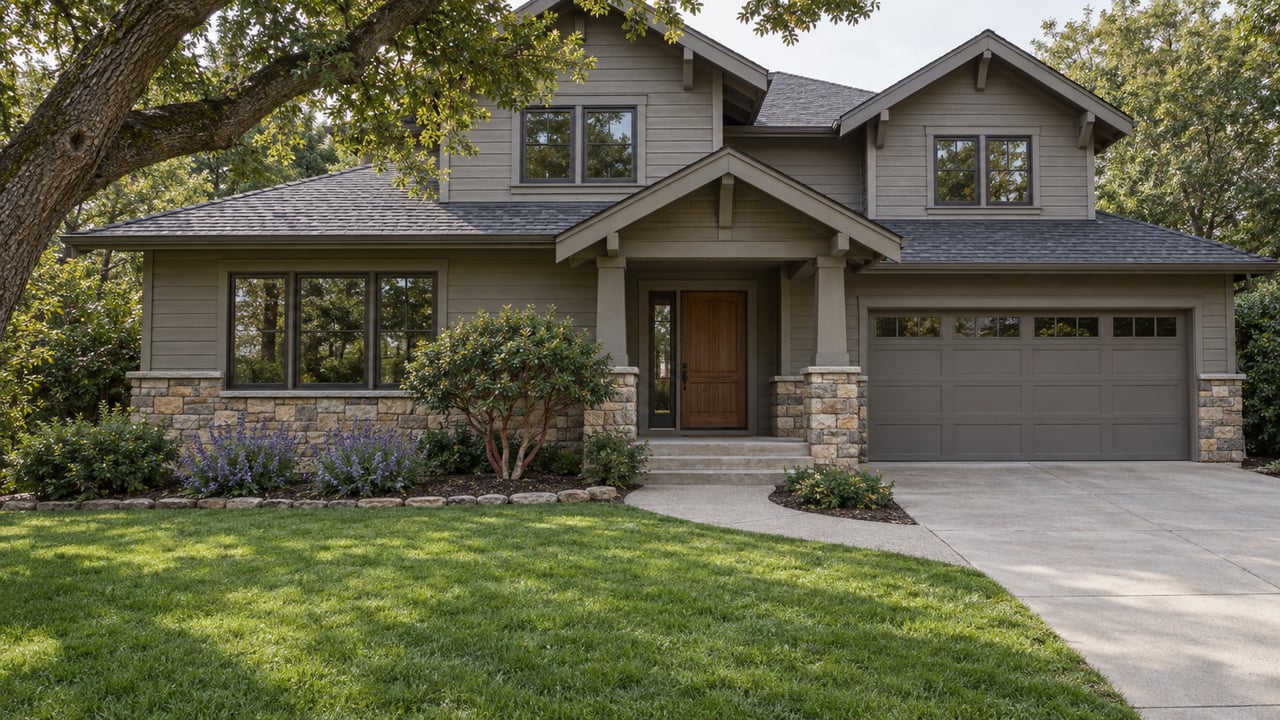
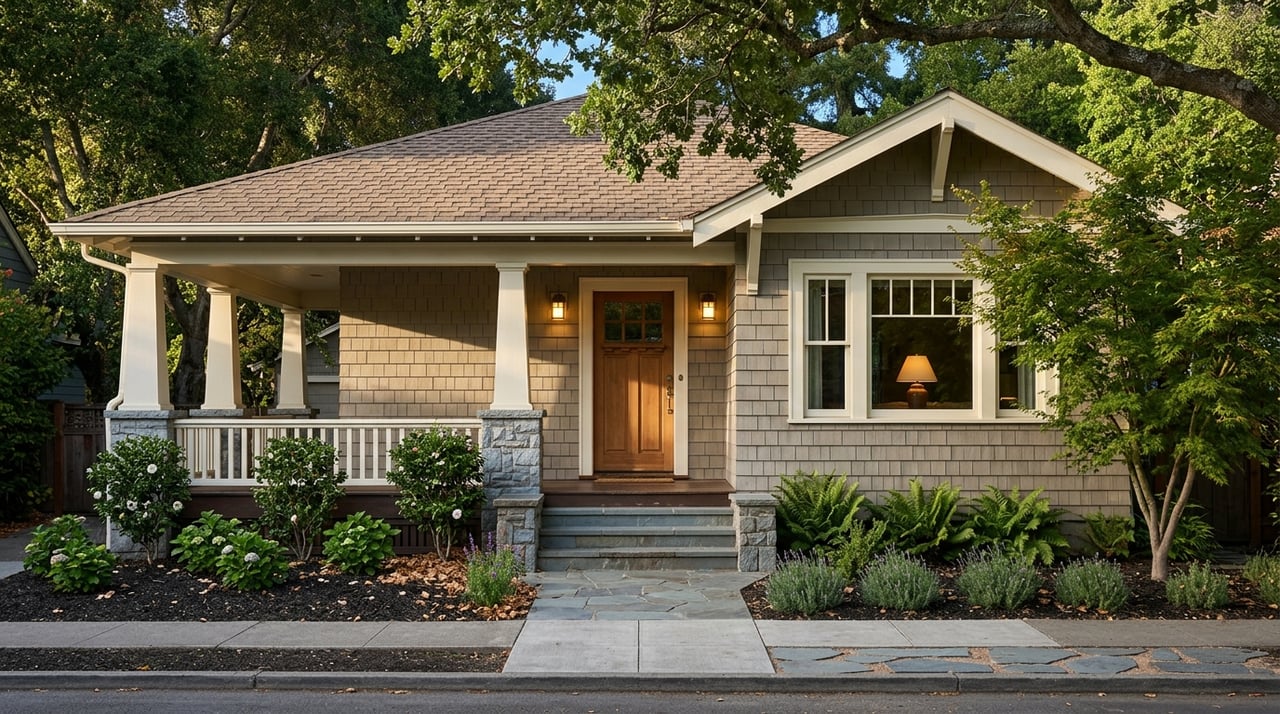
Craftsman homes are one of the clearest threads in San Anselmo’s older neighborhoods. Town design standards describe them with low-pitched roofs, deep eaves, exposed rafter tails, horizontally proportioned openings, natural materials like wood shingles, and asymmetrical forms. These homes were especially common from the 1900s through the 1940s.
As you walk or drive through town, look for the roofline first. Then notice porches, wood detailing, and how the home sits on the lot. Even when finishes have been updated, the original massing often still tells you what the house started as.
Shingle style and Arts and Crafts homes
If you are drawn to more architecturally expressive homes, San Anselmo has strong examples of Shingle style and Arts and Crafts design. Local historical sources highlight houses on Seminary Hill, in the Barber Tract, and along Crescent Road where rooflines, porches, dormers, and wood detailing stand out. These are often the homes that make you slow down and look twice.
This style tends to feel especially natural in wooded, sloped settings. In San Anselmo, that pairing of architecture and topography is part of the charm. A home may feel formal in design but still relaxed in its landscape setting.
Revival styles and later updates
San Anselmo is not a one-style town. Streets such as Yolanda Court show a mix of shingled Craftsman bungalows, stucco homes, and even later Spanish Eclectic influence. That blend gives many blocks a layered look rather than a museum feel.
For buyers and sellers, this is important context. Older neighborhoods here often include tasteful remodels, additions, and changing finishes over time. When you are assessing character, focus on the shape of the house, porch patterns, and roof form, not just the latest exterior materials.
Mid-century and hillside custom homes
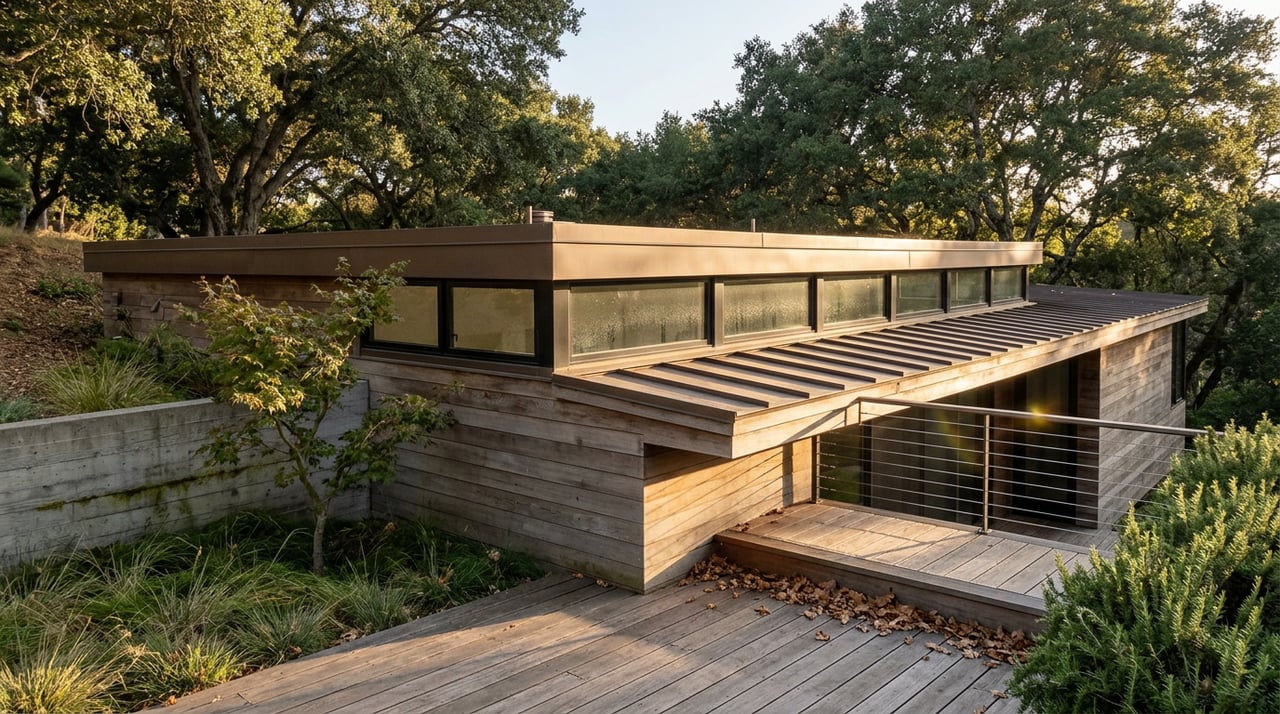
Mid-century homes are part of the town’s story too, even if they do not define a single district. Local survey data included 1950s and Mid-Century styles among those residents felt represented San Anselmo, and the housing stock includes substantial construction from the 1940s through the 1980s. In practice, you are more likely to find these as part of the town’s broader mix.
You will also find larger custom hillside homes in areas such as Seminary Hill, the Barber Tract, and Sleepy Hollow. Historical sources connect some of these pockets to named architects and bespoke design, which helps explain why they feel more individualized and view-oriented than tract neighborhoods.
Start in Downtown San Anselmo
San Anselmo Avenue and nearby streets
If you want the best walking-tour starting point, begin in downtown. San Anselmo Avenue, Tunstead Avenue, Magnolia Avenue, and Library Place form the town’s historic core, with a strong connection to the railroad era and long-running civic landmarks. This area gives you architecture, storefront rhythm, and a sense of how the town developed.
Local historical walking tours begin at Creek Park and focus on the Hub, the railroad’s impact, and the changing architecture and businesses along San Anselmo Avenue. Nearby landmarks such as the Cheda Building, the Wells Fargo corner, Town Hall, and the Carnegie Library help anchor the story. Even if you are house hunting rather than sightseeing, this area gives useful context for the town’s identity.
From a lifestyle perspective, this pocket is the most walkable part of the tour. It feels connected, active, and easy to experience on foot. If you value being close to shops and civic spaces, this is one of the clearest expressions of that in San Anselmo.
Explore Yolanda Court for Early Neighborhood Charm
Yolanda Court and nearby Alder offer a quieter, more residential chapter in the tour. The Historical Museum describes Yolanda Court as one of San Anselmo’s charming neighborhoods, known for wide tree-lined streets, manicured properties, and architectural interest. It is the kind of pocket that feels inviting without trying too hard.
Many of the earlier homes here were shingled Craftsman bungalows, with some stucco houses mixed in. Over time, the street also picked up later stylistic variation, including Spanish Eclectic influence. That makes it a good place to study how San Anselmo evolved while keeping a strong neighborhood feel.
If you are drawn to intact early-subdivision character, this is one of the most appealing stops. The scale is approachable, the street pattern is easy to enjoy, and the homes feel tied together without looking repetitive. It is a nice reminder that charm often comes from rhythm and proportion as much as from size.
Head Uphill to Seminary Hill
Kensington Court and Crescent Road
Seminary Hill is one of the oldest and most architecturally notable areas in town. Local historians repeatedly describe the Seminary area as a place of fine architecture, and the surrounding hillside streets reflect that legacy. As the terrain rises, the homes often become more view-oriented and more individualized.
The Seminary buildings themselves help set the tone. Scott Hall is identified as Richardsonian Romanesque, and Montgomery Hall is also recognized as a local landmark. Nearby, the Faculty Home at 18 Kensington Court is identified in a state historic record as Shingle style, reinforcing the area’s architectural depth.
Crescent Road adds another layer, with the Robson-Harrington House standing out as a large hillside property above the valley. This part of the tour feels less like a simple neighborhood stroll and more like a study in how architecture responds to elevation, setting, and long views. If you love homes that feel rooted to their site, this area is worth your time.
See the Barber Tract’s Landmark Homes
Prospect Avenue, Park Drive, Winship, and Garden Way
The Barber Tract is one of the most distinctive addresses in San Anselmo. The Historical Museum describes it as prestigious and architecturally distinctive, and that description fits. The setting is wooded, elevated, and shaped by custom design rather than a repeated tract pattern.
This pocket includes several documented landmark homes. Lot 11 includes a house designed by Bernard Maybeck above Prospect Avenue, Lot 8 at 160 Prospect is an Ernest Coxhead Shingle-style home on a knoll overlooking Ross Valley, and the Carrigan House at 96 Park Drive is another Coxhead-designed property known for its strong roof-and-dormer composition. These references help explain why the neighborhood feels so memorable.
As you explore, notice how the homes relate to the land. The lots, tree cover, and slope all contribute to a sense of privacy and presence. For buyers, it is a reminder that in San Anselmo, architectural character often comes from both the house and the hillside around it.
Finish in Sleepy Hollow
Butterfield Road and the valley setting
Sleepy Hollow offers a very different experience from downtown or the older hillside streets near the Seminary. Historically, it began as a large ranch and dairy landscape, and local descriptions call the valley a broad amphitheater enclosed by high hills. That wider, more pastoral setting still shapes how the area feels today.
The Hotaling mansion and its later use as a golf club point to the area’s estate-scale past. In contrast to the strolling grid of downtown, Sleepy Hollow reads as more spacious and more car-oriented. It is better understood as a scenic pocket than as a compact walking district.
For some buyers, that contrast is exactly the appeal. Instead of a historic core with short blocks and close-in cottages, you get a setting defined by open space, valley scale, and a different pace. It is still part of San Anselmo’s story, just a very different chapter.
What to Keep in Mind as You Tour
San Anselmo is easiest to enjoy when you separate walkability from spectacle. Downtown is the best place for an on-foot experience, while Yolanda Court gives you a quieter vintage-street feel. Seminary Hill and the Barber Tract are more uphill and view-driven, and Sleepy Hollow is best approached as a scenic drive.
Topography matters here too. The town notes that San Anselmo and Sleepy Hollow Creeks periodically flood, with the Bridge Street gauge historically overflowing first in San Anselmo and 730 San Anselmo Avenue serving as a key benchmark in the flood monitoring system. General plan materials also highlight hillside and ridge protection, fireflows, and road character, which is useful context when you are evaluating location and access.
That does not take away from the beauty of these streets. It simply reminds you that in an established town like San Anselmo, setting is part of the home story. The best home search here looks at architecture, block feel, elevation, and practical site conditions together.
Why These Streets Stay Memorable
What makes San Anselmo so appealing is not one single style or one perfect block. It is the combination of preserved scale, layered history, and neighborhoods that developed over time rather than all at once. In one short tour, you can move from downtown landmarks to Craftsman-lined streets, then up to architect-driven hillside homes and out to a broader pastoral valley.
If you are thinking about buying or selling in San Anselmo, that nuance matters. Street by street, the town offers a different mix of charm, setting, and housing character. Understanding those differences can help you spot the right fit and tell the right story when it is time to make a move.
If you want help understanding how San Anselmo’s streets, home styles, and micro-locations compare, connect with Erin Farber. You’ll get thoughtful local guidance, a clear process, and expert support whether you are buying, selling, or simply getting to know the market.
FAQs
What home styles are common in San Anselmo?
- San Anselmo includes many Craftsman and bungalow homes, along with Shingle style, Arts and Crafts, Revival influences, mid-century homes, and larger custom hillside properties.
Which San Anselmo streets are best for a walking tour?
- Downtown streets such as San Anselmo Avenue, Tunstead Avenue, Magnolia Avenue, and Library Place are the most walkable starting point for exploring the town’s architecture and history.
What makes Yolanda Court in San Anselmo so popular?
- Yolanda Court is known for its tree-lined setting, early neighborhood character, and mix of shingled Craftsman bungalows, stucco homes, and later architectural variation.
What is the Barber Tract in San Anselmo known for?
- The Barber Tract is known for its elevated, wooded setting and architecturally distinctive homes, including landmark properties associated with Bernard Maybeck and Ernest Coxhead.
Is Sleepy Hollow in San Anselmo walkable?
- Sleepy Hollow is better described as a scenic, spacious, and more car-oriented area rather than a compact walking neighborhood.
What should buyers consider about San Anselmo locations?
- Buyers should look at more than home style alone and consider walkability, hillside topography, road character, and creek-related flood context depending on the specific location.