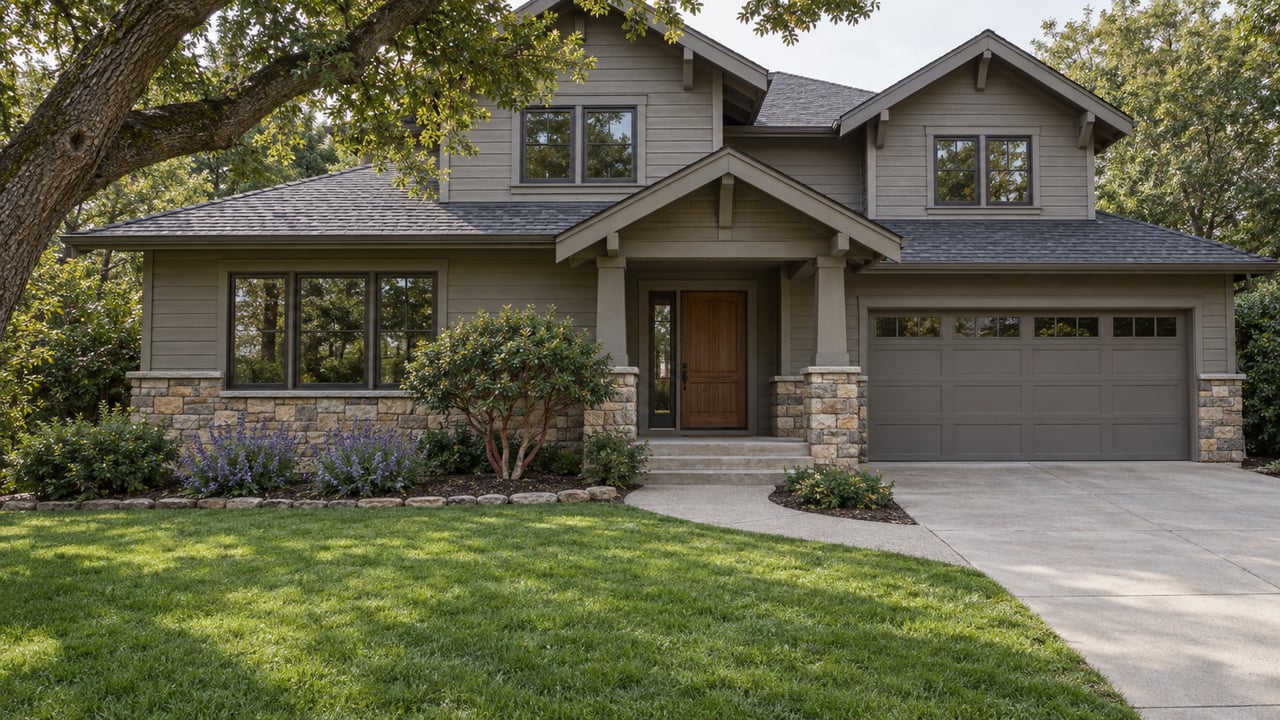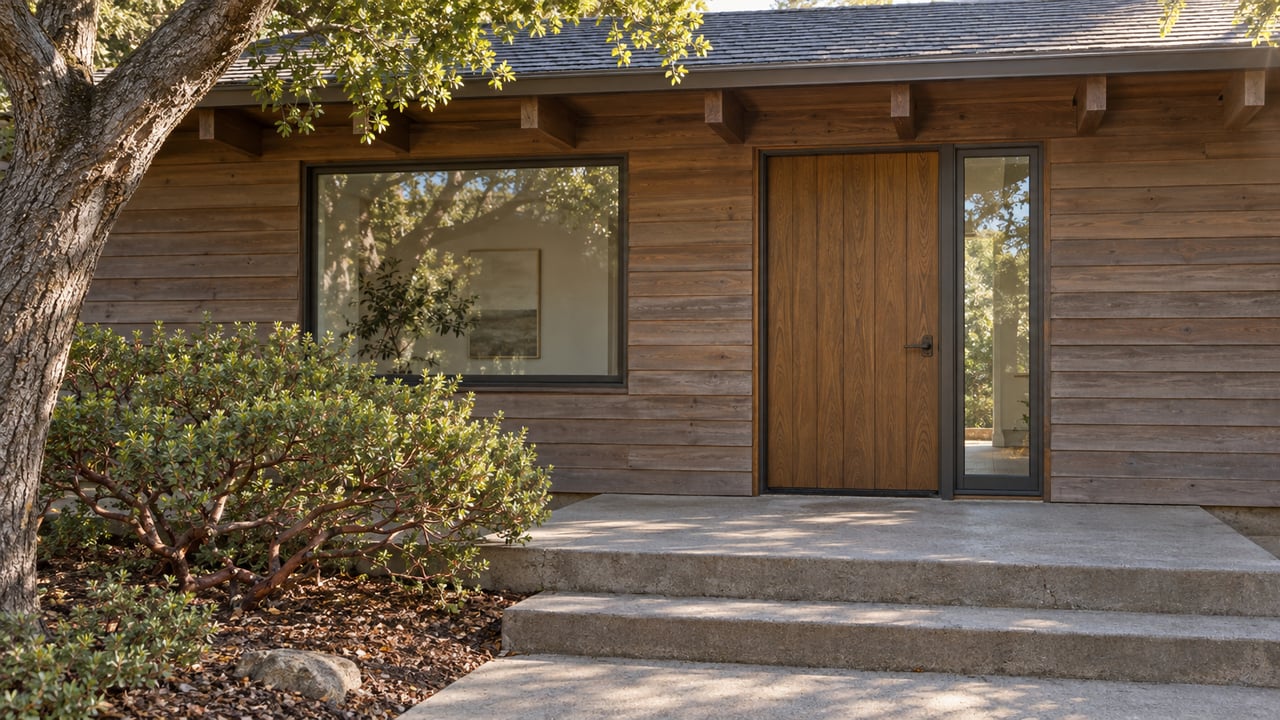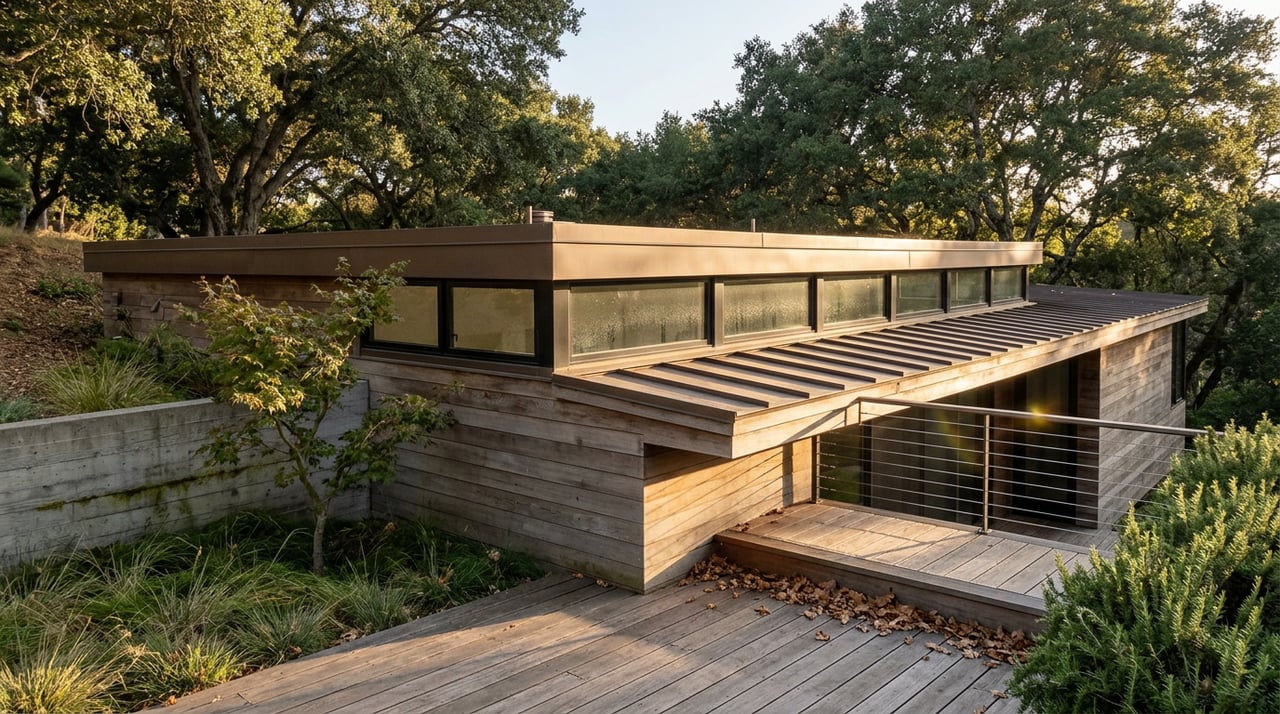
Looking for the right part of Fairfax can feel surprisingly nuanced for such a small town. A few blocks can change your day-to-day experience from walk-to-everything convenience to a quieter, more tucked-away setting near trails and hillsides. If you want to understand how Fairfax neighborhoods differ in feel and lifestyle, this guide will help you compare the town’s main pockets and think through which one may fit you best. Let’s dive in.
Fairfax Has Two Main Lifestyle Patterns
One of the biggest things to know about Fairfax is that it changes quickly from its village-like center to creekside and hillside residential areas. The town describes its center as a mixed-use hub within walking and bicycling distance of most residents, while the surrounding landscape includes oak-studded hills and forested slopes.
That means neighborhood choice in Fairfax is often less about completely different housing types and more about terrain, access, and daily routine. In many cases, you are deciding how close you want to be to downtown, trails, transit, and flatter streets.
Downtown Fairfax Feels Walkable and Social
The town center has the strongest street life
The downtown core and the Broadway-Bolinas corridor offer the most active, village-style experience in Fairfax. The Town Center area runs from Sir Francis Drake and Center Boulevard near the San Anselmo border north toward the library, and it includes School Street Plaza plus the Broadway-to-Bolinas area around Town Hall, Peri Park, and the Women’s Club.
This part of town is described as a lively mix of businesses and residences. It is also where you see the strongest small-town street activity, with restaurants, clubs, community spaces, the library, the farmers market, and the Pavilion all contributing to an everyday neighborhood rhythm.
Daily life is easier on foot here
If you want short walks to errands, local events, and bus access, the downtown area usually offers the easiest setup. That takeaway comes from the town-center boundaries, the concentration of civic uses, and Fairfax’s transit routes.
Fairfax also has more than 100 historic pedestrian rights-of-way connecting neighborhoods, downtown, and open space. In practical terms, that makes the town center feel especially connected for people who value getting around on foot.
Who tends to like this part of Fairfax
Downtown Fairfax may appeal to you if you want:
- Walkable access to shops and everyday stops
- A mixed-use setting with more activity nearby
- Easier connections to transit routes
- A neighborhood feel centered around community events and public spaces
The tradeoff is that this area tends to feel more active and less tucked away than the hill neighborhoods. If you want quiet separation from the center of town, you may prefer another pocket.
Hillside Fairfax Feels More Private and Trail-Oriented
The terrain shapes the lifestyle
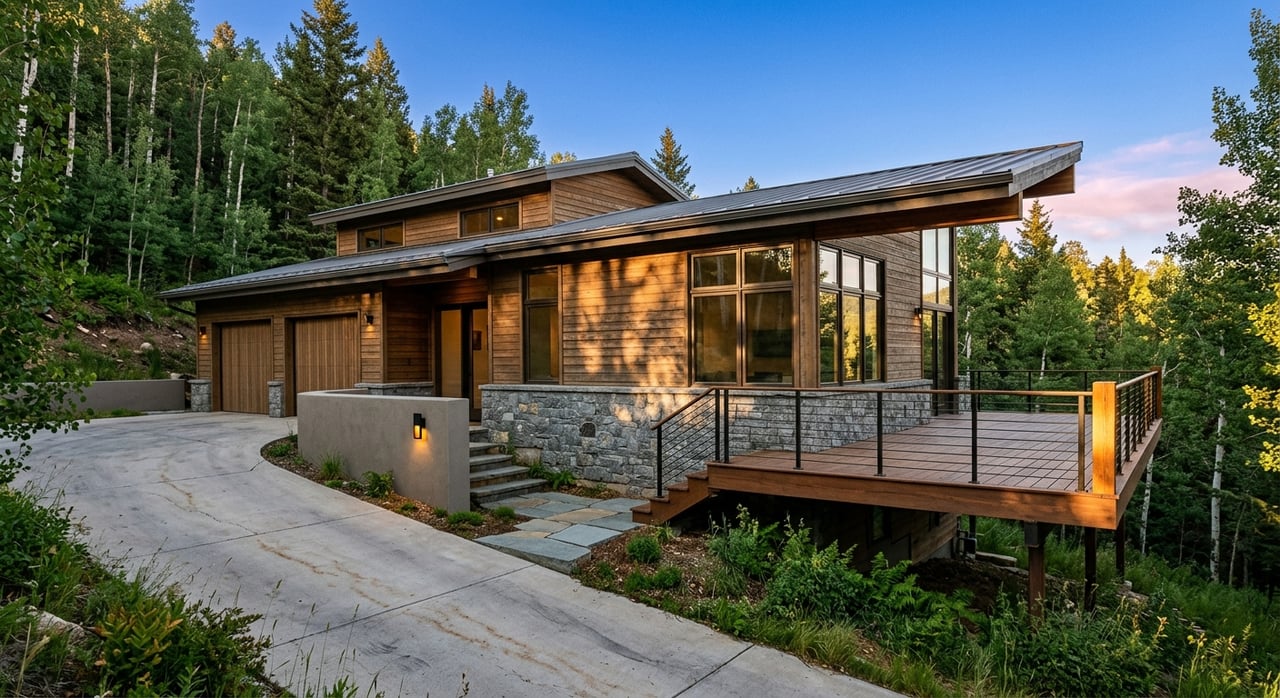
Many Fairfax neighborhoods sit in hillside or creekside settings, and that topography changes how they feel in everyday use. The town’s materials identify steep hill neighborhoods such as Cascade Canyon, Forrest/Hillside, Oak Manor, Manor/Scenic Hill, and Willow/Upper Ridgeway as areas with dense vegetation and narrower access roads.
Compared with downtown, these areas often feel calmer, more wooded, and more private. At the same time, they can require more planning around slope, road width, parking, and how you move between home, town, and trail access.
Trail access is a major draw
For many buyers, the appeal of hillside Fairfax is immediate access to open space. The town’s trail network and pedestrian routes are a big part of daily life here, especially in pockets where the trailhead feels like an extension of the neighborhood.
That can create a very different experience from downtown living. Instead of stepping out to errands and street life, you may be stepping out toward a trail, a wooded road, or a hillside view.
Cascade Canyon and White Hill Feel Tucked Away
These areas are especially close to open space
Cascade Canyon is one of the clearest examples of trail-adjacent living in Fairfax. Marin County describes the preserve as being on the eastern flank of Mount Tamalpais, with access from Cascade Drive via Bolinas Road, and notes that the fire road functions as a year-round multiuse trail.
White Hill adds another layer to this hillside feel, with steep, rocky slopes and broad views. If you are drawn to elevation, scenery, and a more removed setting, this part of Fairfax often stands out.
Parking and access matter more here
The same features that make Cascade Canyon appealing also affect daily logistics. Marin County notes that roadside parking is limited, and access through south Cascade Canyon includes very limited street parking in Fairfax neighborhoods.
So while these pockets can feel highly connected to nature, they may feel less convenient for quick in-town errands than the core. In many cases, the lifestyle here is more car-dependent and more sensitive to road and parking conditions.
Best fit for buyers who want a hillside setting
This area may be worth a closer look if you want:
- Immediate proximity to trails and preserves
- A tucked-away residential feel
- Steeper topography and elevated views
- A stronger separation from downtown activity
The key is to balance that appeal with practical questions about access, parking, and how often you want to be in the town center.
Deer Park, Forrest Avenue, Oak Manor, and Manor Hill Feel Residential and Wooded
These pockets blend homes and open-space access
Fairfax’s Firewise neighborhood list helps show how residents and local planning materials break up the hills into smaller pockets. Areas like Deer Park, the Forrest Avenue area, Manor Hill, and Oak Manor Ridge are all part of that broader hillside pattern.
Deer Park is especially notable because the town lists a trailhead and parking area at the end of Porteous Avenue. That makes it a useful example of a neighborhood where homes and outdoor access are closely linked.
The setting is often quieter than downtown
In day-to-day terms, these neighborhoods tend to feel more residential and more wooded than the town center. They may appeal to you if you want a home environment that feels a bit removed from the busiest parts of Fairfax while still keeping outdoor access nearby.
As with other hill areas, topography plays a major role. Steeper streets, denser vegetation, and narrower roads can all shape how a neighborhood feels when you arrive, park, or head into town.
Transit and Errands Vary by Location
Fairfax supports walking, biking, and transit
Fairfax stands out for its long-term commitment to active transportation. The General Plan describes a substantial commitment to transit, bicycle, and pedestrian systems, and the Circulation Element notes that community preferences often support improvements for transit, biking, and walking.
Marin Transit also identifies bus travel as the most convenient and independent form of public transportation in Marin County. That is helpful context if you are comparing neighborhoods based on commuting options or car-light living.
Closer to Sir Francis Drake usually means easier bus access
Route 228 runs between Downtown San Rafael and Fairfax Manor. Route 23 connects Canal, Fairfax Manor, San Rafael, and San Anselmo. Route 625 links Lagunitas, Archie Williams High School, and the San Anselmo Hub with Fairfax stops along Sir Francis Drake Boulevard.
In practical terms, homes closer to Sir Francis Drake Boulevard and the town center generally have easier bus access. Steeper canyon streets are more likely to feel car-first because of topography and distance from the main corridors.
Walkability in Fairfax is still evolving
Fairfax continues to invest in its walking and biking network. The town is updating its Bicycle and Pedestrian Master Plan in 2026, with outreach focused on better north-south crossings of Sir Francis Drake Boulevard and reducing barriers for people walking and biking.
That matters because neighborhood feel is not static. Even in a small town, access and mobility improvements can influence how easy it feels to move between home, downtown, and open space.
How to Choose the Right Fairfax Neighborhood
Start with how you want your days to work
When buyers compare Fairfax neighborhoods, the biggest question is often not square footage or style alone. It is how you want your day to flow.
If you picture walking to coffee, the library, community events, or a bus stop, the town center may feel like the best match. If you picture a quieter setting with faster access to trails and a more wooded backdrop, a hillside pocket may be the better fit.
Focus on the real tradeoffs
In Fairfax, the main tradeoff is often foot-oriented convenience versus hillside privacy and trail access. Distance matters, but terrain, parking, and access often matter just as much.
That is why a neighborhood tour here should go beyond the map. You want to pay attention to road width, slope, walking routes, parking patterns, and how connected the home feels to the parts of Fairfax you expect to use most.
If you are weighing where to focus your search in Fairfax, a neighborhood-by-neighborhood conversation can make the process much clearer. Erin Farber can help you compare Fairfax pockets, understand the day-to-day differences, and find the part of town that fits the way you want to live.
FAQs
What is the most walkable part of Fairfax for daily errands?
- The downtown core and the Bolinas-Broadway corridor are generally the most walkable areas for errands, events, and transit because they contain the town’s main mix of businesses, civic spaces, and bus access.
How do Fairfax hillside neighborhoods feel different from downtown?
- Hillside neighborhoods in Fairfax generally feel quieter, more private, and more trail-oriented, while downtown feels more connected to shops, community spaces, and everyday activity.
Which Fairfax neighborhoods are closest to trails and open space?
- Cascade Canyon, White Hill, Deer Park, and other hill pockets such as Forrest Avenue, Oak Manor, and Manor Hill are among the areas most associated with quick access to trails and open space.
Does Fairfax have public transit access in multiple neighborhoods?
- Yes. Fairfax is served by Marin Transit routes including 228, 23, and 625, with easier bus access generally found closer to Sir Francis Drake Boulevard and the town center.
What should buyers compare when choosing a Fairfax neighborhood?
- Buyers should compare walkability, topography, parking, access roads, transit proximity, and how close they want to be to downtown versus trails and hillside surroundings.