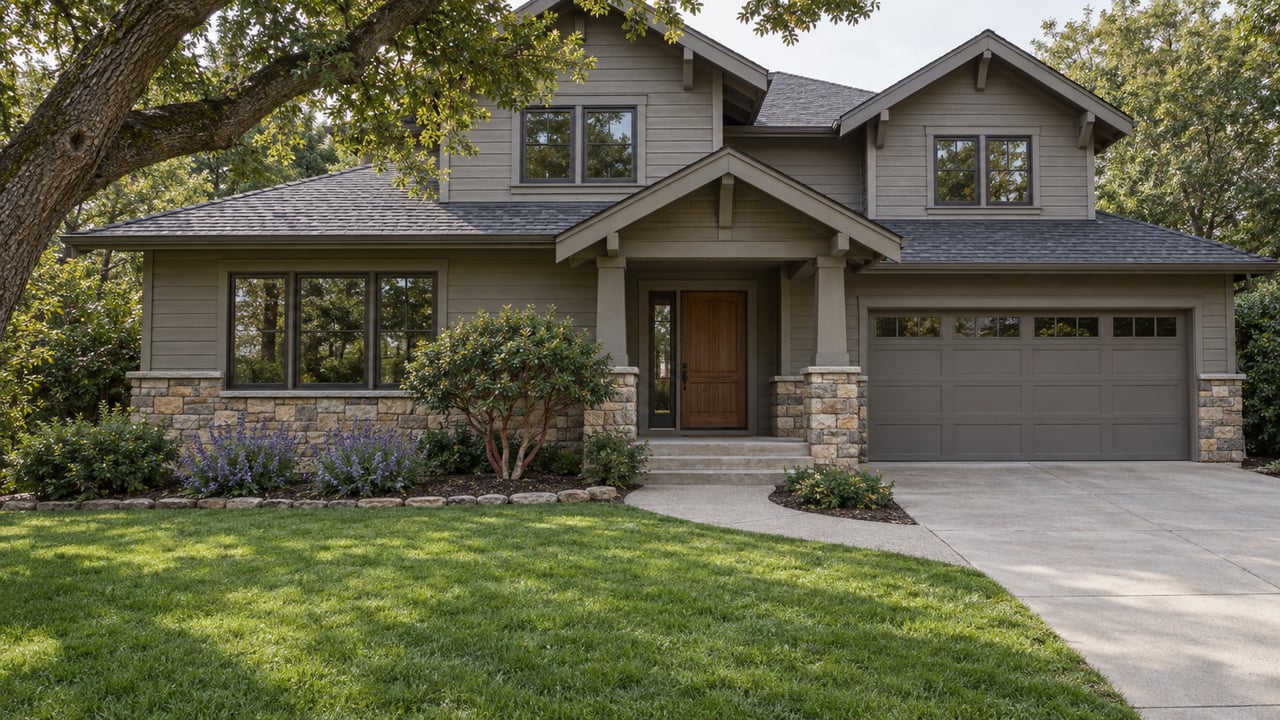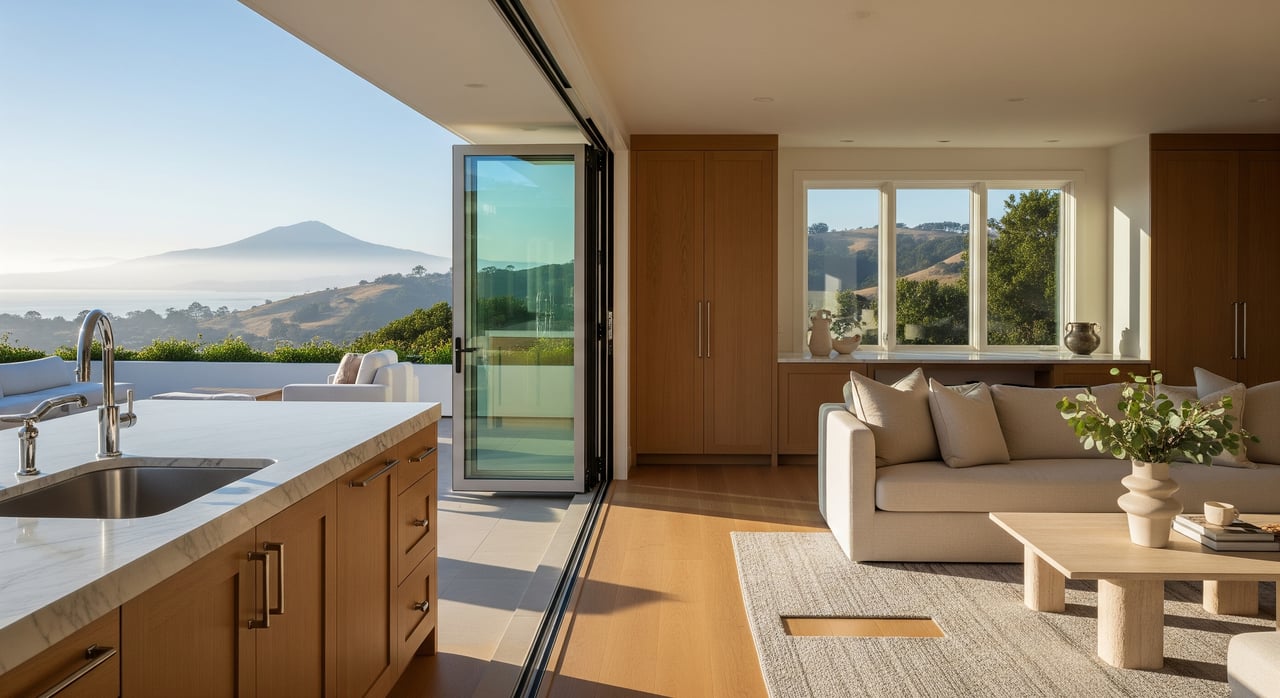
Thinking about listing your San Rafael home and want to get it right the first time? The way you prep, price, and launch in the first two weeks can shape your final result. You want a clear plan, trusted guidance, and measurable steps that lead to strong offers and a smooth close. This guide walks you through a proven, white-glove strategy built for San Rafael sellers. Let’s dive in.
Know the San Rafael buyer
San Rafael attracts a wide range of buyers because of its location, outdoor amenities, and neighborhood variety. You will see commuters and remote workers who value access to 101 and 580, upsizing families focused on space and yards, downsizers who want low-maintenance living near downtown, and luxury and out-of-area buyers drawn to views and the Marin lifestyle. Investor and second-home buyers can be active in certain price bands, especially when a home is turnkey.
Neighborhoods vary in style and pricing. You might be listing in Downtown or the Canal area, Gerstle Park, Terra Linda, Marinwood, Sun Valley, or a waterfront enclave. Each pocket has pricing nuances, so your plan should reflect local comps and what buyers in that area value most.
Seasonality matters. Spring and early summer often bring more activity, while fall and winter can be slower. In any season, the first 7–14 days after launch are critical for grabbing attention and securing offers.
Step 1: Consultation and plan
Your first meeting sets the strategy. In 1–2 hours, you and your agent clarify goals for price, timing, and net proceeds. You will also agree on the target buyer profile and what terms matter most to you, like rent-back or shortened contingencies.
What we cover in the consultation
- Property assessment: structure and systems, roof, HVAC, sewer or septic, curb appeal, and key features like views and outdoor living.
- Document checklist: permits for remodels, recent upgrades, utility bills, HOA documents if applicable, property tax info, and any prior inspections.
- Preliminary pricing: a working range based on neighborhood comps and condition.
- Prep budget and scope: where to invest for the best return.
Pre-list inspections that reduce renegotiation
- General home inspection to flag likely objections.
- Pest or wood-destroying organism inspection.
- Sewer or septic check where relevant.
- Roof and HVAC assessments when uncertain.
- Energy or title-related reports as appropriate.
These reports help prevent surprise repair requests, shorten contingency timelines, and strengthen your position when negotiating.
Timeline expectations
- Light to moderate prep and staging often take 1–3 weeks.
- Projects that need permits or major repairs can run 3–6 weeks or longer.
- Build in a buffer if the city or county needs to inspect work.
Step 2: Prep and staging that sells
Your goal is to launch a home that shows its best. In San Rafael, buyers prize indoor and outdoor flow, natural light, and move-in readiness.
High-ROI fixes
- Safety and systems first: electrical, plumbing, leaks, broken windows or doors, and any visible structural issues.
- Cosmetic refresh: interior paint and trim, minor flooring repairs, updated hardware, and curb appeal touch-ups.
- Deep clean and declutter: streamline rooms to feel open and bright.
Staging for San Rafael
- Highlight indoor and outdoor living: stage decks, patios, and view spaces with seating and planters.
- Prioritize light and views: arrange furniture to draw the eye to Mount Tamalpais or Bay sightlines if present.
- Respect the home’s character: in Victorians or period homes, use staging that fits the architecture.
- Landscaping: drought-tolerant, tidy, and low-maintenance designs appeal to local preferences.
Professional staging often speeds up the sale for higher-priced or unique homes. If the property is vacant and budget is tight, virtual staging can help key rooms present well online.
Step 3: Price with precision
Pricing is a strategy, not a guess. Your agent will prepare a data-driven comparative market analysis focused on your neighborhood and property type.
CMA approach for San Rafael
- Look at 6–12 months of closed sales in your immediate area, and tighter 3-month windows in active segments.
- Weigh active and pending listings to understand current competition.
- Compare price per square foot, bedroom count, lot size, condition, updates, view or water access, and days on market.
- Favor truly comparable properties with similar age, style, and location, and adjust only for meaningful differences.
Picking the right pricing tactic
- Market-value pricing: positions you to attract strong activity and minimize days on market when demand is healthy.
- Price band positioning: align with common buyer search thresholds to increase visibility.
- Aggressive pricing below market: can spark multiple offers but may leave money on the table in slower conditions.
- Premium pricing above market: consider for unique or highly upgraded homes with a targeted marketing plan and patience.
Your goals drive the tactic. If speed is key, aim for broader traffic. If maximizing proceeds is the priority, you may accept a longer timeline.
Appraisal and financing reality
In higher-rate or cooling markets, appraisals can cap prices. Strong buyers may offer appraisal-gap coverage or cash. Your pricing plan should consider appraisal risk and the likelihood of cash or bridge financing in your segment.
Net sheet and compliance
You should receive a written net sheet that connects list price, estimated commissions, closing costs, and potential repair credits to your bottom line. Confirm your MLS rules for Coming Soon marketing and how price adjustments are reported.
Step 4: Media and launch that command attention
You get one chance to make the best first impression online. Your media package should meet luxury standards and tell a clear, lifestyle-forward story.
Professional media checklist
High-resolution photography, including twilight images when appropriate.
Aerial and drone imagery and video with an FAA Part 107 certified operator, subject to local rules.
60–90 second video walkthrough and a neighborhood lifestyle highlight.
Matterport or similar 3D tour and a detailed floor plan for remote buyers.
Virtual staging for empty rooms as needed.
Feature sheets and a professional broker packet.
Smart digital distribution
- Automatic MLS syndication to major portals for reach.
- Targeted paid social and search advertising to the right buyer profiles.
- Email outreach to local agent networks and Bay Area luxury lists.
- Direct contact with buyer agents who recently sold nearby.
- Retargeting ads to bring interested buyers back to your listing.
Coldwell Banker Global Luxury reach
For luxury properties, Coldwell Banker Global Luxury channels add national and international exposure. Expect elevated collateral, a dedicated property site, cinematic video, and placement within curated luxury networks that reach Bay Area, Los Angeles, and international buyers.
Offline and neighborhood marketing
- Broker tours and agent previews in the first week.
- High-quality printed brochures and targeted mailers.
- Directional signage within local ordinances.
- Public open houses when appropriate for the neighborhood and property.
Launch week timeline
- Weeks −2 to 0: consultation, inspections, repairs, and staging.
- Week −1: professional photography, floor plan, and 3D tour.
- Day 0: go live on MLS, push to syndication, launch digital ads.
- Days 1–7: broker tour, first open houses, active showings, and daily monitoring.
- Days 7–10: set an offer review date if multiple offers are expected, then evaluate.
Step 5: Showings, feedback, and adjustments
Buyer response in the first week guides next steps. Your agent should track showing counts, online views, and buyer comments. If traffic is below target, tighten ad targeting, refresh media, or adjust price bands. Clear reporting helps you decide quickly and confidently.
Step 6: Offers, negotiation, and escrow
Go in prepared so you can act decisively when offers arrive.
Before offers arrive
- Agree on a minimum net, acceptable contingencies, preferred closing window, and repair expectations.
- Decide whether to set an offer deadline and how to weigh non-price terms like appraisal protections or rent-backs.
How to evaluate offers beyond price
- Financing strength and proof of funds.
- Contingencies, including inspection, appraisal, loan, or sale of the buyer’s property.
- Earnest money deposit size and timing.
- Closing date and escrow length.
- Appraisal-gap coverage and any escalation terms.
Multiple-offer strategies
- Ask for highest and best by a clear deadline and explain the review process.
- Use targeted counters to preserve leverage and compare net proceeds side by side.
- Handle escalation clauses carefully, with clear caps and documentation.
After you accept an offer
- Open escrow and deliver required California disclosures. These include the Transfer Disclosure Statement, Natural Hazard Disclosure, lead-based paint disclosure for homes built before 1978, and HOA documents when applicable.
- Coordinate buyer inspections and negotiate repairs or credits through escrow instructions.
- Prepare comparables to support appraisal value if needed.
- Track contingency timelines, which are often 7–17 days for inspections and 21–30 days for loan approval, depending on the agreement.
- Complete the final walkthrough and hand off keys, remotes, manuals, and repair receipts.
Typical escrow timing
Many San Rafael escrows run 30–45 days. Cash deals can close faster. Complex transactions can take longer. Your agent should provide a clear calendar with all deadlines.
Risk management and local checks
- Full, timely disclosures help prevent disputes after closing.
- Keep records of permits, repairs, and staging changes.
- Verify permit history and any unpermitted work with local records.
- Follow local sign rules and drone filming guidelines.
- Consult your broker or legal counsel if there are title, boundary, or HOA issues.
What you will see each week
You should receive a simple, seller-facing dashboard that shows:
- Days on Market and showings per week.
- Listing views, portal impressions, and video views.
- Social ad performance, such as click-through rate.
- Number of offers and how many are cash or have clean terms.
- List-to-sale price ratio when under contract.
- Escrow timeline, with upcoming contingencies and expected close.
The target is a strong showing surge in the first 7–14 days and limited need for price reductions in the first 30 days. Results vary by property and market conditions, but consistent reporting keeps you in control.
Your next move
Selling in San Rafael rewards a clear plan, thoughtful prep, and a polished launch. When you combine neighborhood-level pricing, white-glove staging, premium media, and disciplined offer management, you put yourself in position to win. If you would like a customized plan for your home, connect with Erin Farber. Let’s talk about your goals and timeline.
FAQs
How long does it take to prep and list in San Rafael?
- Light prep and staging often take 1–3 weeks, while repairs that require permits or larger projects can extend to 3–6 weeks or more.
Will staging my San Rafael home pay off?
- Professional staging often speeds up the sale and can support a higher price for unique or higher-priced homes, though ROI depends on your property and market.
Should I accept the highest offer I receive?
- Not always; consider financing strength, contingencies, appraisal protections, deposit size, timing, and your estimated net proceeds.
What if the appraisal comes in low?
- Options include buyer coverage of the gap, a price adjustment, an escalation clause with appraisal terms, or canceling if an appraisal contingency exists.
Can I do a pocket listing or Coming Soon in San Rafael?
- In some cases, yes, but your strategy must comply with local MLS rules and fair marketing standards; discuss pros and cons with your agent.
When is the best time to list in Marin County?
- Spring and early summer usually see higher activity, but a well-prepared, well-priced home can perform in any season, especially with a strong launch plan.