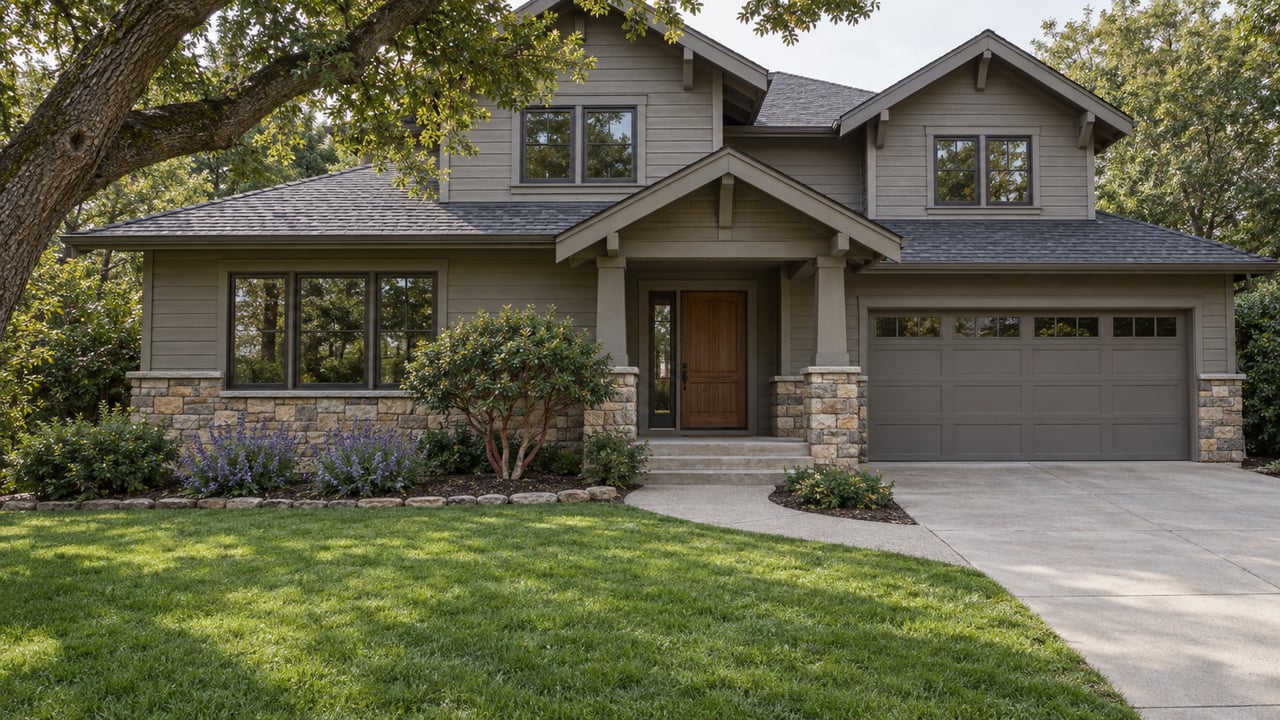
Thinking about moving to San Rafael without spending every weekend flying in for showings? You are not alone, and you are not behind. Many buyers relocate on a tight timeline, and the key is having a clear plan for how to compare neighborhoods, evaluate homes, and manage closing details from a distance. If you want to make a smart move without relying on photos alone, this guide will help you focus on what matters most. Let’s dive in.
Start With San Rafael Basics
San Rafael offers a mix of city convenience, outdoor access, and varied neighborhood settings. According to U.S. Census data, the city has 61,278 residents, a median household income of $119,435, and a median owner-occupied home value of $1,355,600. The median gross rent is $2,377, the owner-occupied housing rate is 53.0%, and the mean commute time is 25.3 minutes.
Those numbers matter when you are relocating because they give you a quick sense of the market and daily pace of life. San Rafael also has more than 30 neighborhoods, with many located in 94901 and some in 94903. That variety is a big plus, but it also means your home search should start with neighborhood fit, not just bedroom count.
Narrow Neighborhoods Before Touring Homes
When you are house-hunting from afar, it helps to compare a short list of neighborhoods first. The City of San Rafael’s neighborhood directory includes areas such as Bret Harte, Gerstle Park, Dominican / Black Canyon, Peacock Gap, Santa Venetia, Terra Linda, and West End. Instead of trying to learn all of San Rafael at once, choose a few areas that match how you want to live day to day.
A smart remote search usually starts with these filters:
- Commute needs
- Terrain and topography
- Transit access
- Street parking
- Park and open space access
- Distance to downtown or other regular destinations
- Flood exposure
- Wildfire exposure
This approach gives you a better read on real life than listing photos alone. A home may look great online, but your daily routine is shaped by the streets around it, how easily you get around, and the practical issues that come with the property’s location.
Use Neighborhood Associations as Clues
San Rafael has a large number of neighborhood associations and two umbrella organizations that represent many of them. If you are researching from out of town, those official association resources can help you understand neighborhood identity, current issues, and how active residents are in local matters. That can be useful when you are trying to tell the difference between areas that may look similar on a map.
This is not about ranking one neighborhood over another. It is about seeing how each area functions and whether it aligns with your priorities. For a relocator, that kind of detail can be a valuable stand-in for multiple in-person visits.
Match Your Search to Your Commute
Commute planning is one of the biggest parts of a successful long-distance move. San Rafael’s official transportation resources point residents to Marin Transit local buses, Golden Gate Transit regional buses, the SMART train, Clipper payment, bike routes, carshare options, and ferry service through Larkspur or Sausalito.
If your work or lifestyle takes you across Marin or into San Francisco, map that route before you ever book a showing. Marin Transit connects San Rafael with places like Marin City, Fairfax Manor, Novato, Santa Venetia, and Smith Ranch. SMART’s system includes San Rafael, Marin Civic Center, and Larkspur stations, which can be important if you want rail access as part of your routine.
Understand the San Francisco Connection
If you expect to commute toward San Francisco, the rail and ferry connection matters. Golden Gate’s current service information notes San Rafael-to-San Francisco options including Route 101 and Route 132, along with more than 40 southbound weekday connections between Golden Gate and SMART. The walk between Larkspur SMART Station and the Larkspur Ferry Terminal is about 15 minutes.
That does not mean every San Rafael neighborhood will feel equally convenient for that trip. Some buyers should prioritize quick access to transit, while others may care more about being near downtown, open space, or parks. The best fit depends on how often you commute and what tradeoffs you are comfortable making.
Look Beyond Photos During Virtual Tours
A polished listing can hide a lot, especially when you are not there in person. That is why a remote search works best when you request more than a standard video walkthrough. You want a showing process that helps you see the home the way an in-person buyer would.
Ask for:
- A live video tour
- A second narrated walkthrough if needed
- Close-up views of floors, walls, windows, and ceilings
- A written summary of visible defects
- Repair notes and seller disclosures
- Exterior views showing grade, drainage, and street context
The goal is simple. You want enough information to compare homes with confidence, not just enough to stay interested. A patient, detail-focused process can help you avoid surprises later.
Check Flood Risk Early
In San Rafael, flood due diligence should happen early, not after you are emotionally committed to a property. The city advises buyers to use FEMA flood maps and notes that areas outside high-risk zones can still flood during severe storms. The city also reminds residents that standard homeowners insurance does not cover flood damage.
That is especially important for remote buyers because flood concerns are not always obvious in online listings. A home can look sunny and dry in marketing photos while still having location-related risk. San Rafael also operates a sandbag program from October through March, which signals that storm preparation is part of local planning.
What to Review on Flood Exposure
Before writing an offer, make sure you review:
- The property’s flood map location
- Any disclosures related to drainage or prior water intrusion
- The site’s slope and runoff patterns visible in photos or video
- Insurance questions that may affect monthly costs
These checks can shape both your budget and your comfort level. They also help you compare two homes that may look similar online but carry very different practical considerations.
Review Wildfire Exposure Too
Wildfire risk is another major item to review before making a decision from afar. Marin County’s Fire Hazard Severity Zone maps identify moderate, high, and very high severity areas. The county also says homeowners should maintain 100 feet of defensible space.
For a buyer, this means you should understand both the map designation and the property conditions. A wooded setting or hillside location may be appealing, but you also want to know what maintenance expectations come with it. When you are relocating, this is the kind of issue that is easy to miss if you only focus on finishes and layout.
Schedule an Independent Inspection Fast
Once you choose a property, move quickly on the inspection. The Consumer Financial Protection Bureau says buyers should schedule an independent home inspection as soon as they have chosen a property so there is time to resolve problems. It also notes that an inspection is different from an appraisal.
That distinction matters. An appraisal helps the lender assess value, while an inspection helps you understand the home’s condition. If you are not local, the inspection period becomes even more important because it may be your best chance to uncover issues before closing.
Remote Inspection Tips
A few simple steps can make the inspection process more useful when you are out of town:
- Attend virtually if that option is available
- Ask for clear photos and video of major findings
- Review the report promptly
- Follow up on any recommended specialist inspections
- Compare inspection findings with seller disclosures
A strong inspection process gives you information, leverage, and peace of mind. It also supports better decisions if repairs, credits, or next steps need to be negotiated.
Understand Escrow and Closing Logistics
Remote buyers should ask about escrow and closing logistics early in the process. In California, the Department of Real Estate explains that escrow services may be provided by licensed independent escrow companies, title companies, or broker-controlled escrow arrangements in certain situations. The escrow holder is normally agreed to in writing in the purchase contract.
You should also prepare for how documents will be delivered and signed. The CFPB says the lender must provide the Closing Disclosure three business days before closing, and buyers should ask at least a week ahead how they will receive it. Delivery may happen by email, postal mail, or download.
Can a Closing Happen Remotely?
In some cases, yes. The CFPB notes that closings can involve the real estate agent, title company, and escrow company, and some closings can be completed by mail or over the internet. If you are relocating to San Rafael on a deadline, that flexibility can make a big difference.
Still, do not assume every step will be automatic. Ask early about timelines, required signatures, identification needs, and whether any in-person notarization or special handling may apply. A little planning can keep the final week from feeling rushed.
Compare Lifestyle, Not Just the House
San Rafael’s city resources highlight downtown dining, shopping, cultural opportunities, farmers markets, parks, bay shoreline, and open space. The city’s parks archive says there are 26 parks. Those features can shape your experience as much as the home itself.
If you are relocating, think about how you want your week to feel. Some buyers want easier downtown access. Others care more about trailheads, shoreline access, or the rhythm of a neighborhood near parks and everyday services.
A good remote search compares homes through a wider lens:
- How you will commute
- How you will spend weekends
- How often you want to use transit
- How close you want to be to parks or open space
- What hazard exposure you are comfortable managing
That bigger-picture view often leads to better decisions. It helps you choose a home that fits your life in San Rafael, not just your search filters.
A Smarter Way to Relocate to San Rafael
House-hunting from afar can feel overwhelming, but it becomes much more manageable when you break it into steps. Start with neighborhoods, map your commute, review hazard exposure, ask for more detailed virtual tours, and stay ahead of inspection and closing timelines. That process gives you clarity, even when you cannot be there for every moment in person.
If you are planning a move to San Rafael, working with a local guide who knows Marin at the neighborhood level can save time and reduce stress. When you are ready to talk through neighborhoods, remote touring strategies, or the logistics of buying from out of town, Erin Farber is here to help.
FAQs
How can you start comparing San Rafael neighborhoods from out of town?
- Start with the city’s neighborhood list, then narrow your options based on commute needs, terrain, transit access, parking, parks, and how close you want to be to daily destinations.
What should you verify before making an offer on a San Rafael home remotely?
- Focus first on inspection timing, flood exposure, wildfire exposure, and the exact escrow and closing document process.
How do you evaluate a San Rafael home beyond listing photos?
- Ask for a live video tour, a second narrated walkthrough if needed, close-up views of condition details, and written notes about visible defects, repairs, and seller disclosures.
What transit options should you review when relocating to San Rafael?
- Review Marin Transit local buses, Golden Gate Transit regional buses, SMART train access, and ferry connections through Larkspur or Sausalito.
Why does flood risk matter when buying in San Rafael?
- The city says areas outside high-risk flood zones can still flood during severe storms, and standard homeowners insurance does not cover flood damage.
Can you close on a San Rafael home without being there in person?
- In some cases, yes. Some closings can be completed by mail or over the internet, but you should confirm the process and document timing early.